

Ao trabalhar com cargas pesadas, eslingas de cordame são ferramentas vitais. Eles são usados no levantamento, protegendo, e movimentação de equipamentos pesados. Mas quanto tempo você pode esperar que uma tipoia de cordame dure? Compreender a expectativa de vida de uma eslinga de cordame é essencial para a segurança, eficiência, e rentabilidade em ambientes industriais.
O que são Estilingue de aparelhamento?
As eslingas de rigging são dispositivos de elevação usados em vários setores, incluindo construção, fabricação, e envio. Essas fundas são feitas de materiais como náilon, poliéster, cabo de aço, ou corrente. Eles são projetados para levantar e mover objetos pesados com segurança. As eslingas de rigging estão disponíveis em vários tipos, como eslingas planas, fundas redondas, e eslingas de corrente. Cada tipo é adequado para diferentes aplicações de elevação.
Fatores que afetam a expectativa de vida das eslingas de amarração
Vários fatores influenciam quanto tempo dura uma eslinga de cordame. Esses incluem:
- Tipo de material: O material da funda desempenha um papel significativo na sua vida útil. Eslingas de poliéster e nylon, por exemplo, têm uma durabilidade diferente em comparação com correntes de aço ou cabos de aço.
- Frequência de uso: Eslingas usadas com frequência ou para cargas mais pesadas tendem a se desgastar mais rapidamente.
- Condições Ambientais: Exposição a ambientes agressivos, como temperaturas extremas, produtos químicos, e a radiação UV pode degradar o material da funda.
- Tamanho da carga: Sobrecarregar as eslingas ou usá-las incorretamente pode reduzir drasticamente sua vida útil.
- Manutenção: Cuidado adequado, inspeção, e o armazenamento podem prolongar significativamente a vida útil da sua eslinga de cordame.
Quanto tempo duram as eslingas de rigging?
A expectativa de vida de uma eslinga de cordame pode variar com base no tipo e nas condições de uso. Tipicamente, as eslingas são inspecionadas regularmente, e sua substituição é programada com base na inspeção visual e nas orientações do fabricante. Em geral, a expectativa de vida pode variar de 2 para 10 anos, dependendo de vários fatores.
Vida útil por tipo de material
- Eslingas de náilon: Normalmente dura 2-5 anos.
- Eslingas de poliéster: Geralmente dura 3-6 anos.
- Eslingas de corrente de aço: Pode durar 10-20 anos.
- Eslingas de cabo de aço: Tenha uma vida útil de cerca 5-15 anos.

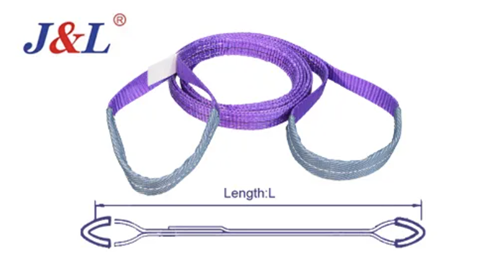
Vida útil das eslingas de amarração com base no material
| Tipo de material | Vida média | Aplicativos comuns | Dicas de manutenção |
|---|---|---|---|
| Nylon | 2-5 anos | Elevação leve a média | Inspeção regular para cortes ou desgaste |
| Poliéster | 3-6 anos | Trabalho pesado, Resistente a UV | Evite exposição prolongada ao sol |
| Corrente de Aço | 10-20 anos | Elevação industrial pesada | Inspecione regularmente quanto a corrosão |
| Cabo de aço | 5-15 anos | Rigging para ambientes agressivos | Mantenha limpo e lubrificado |
Sinais de que uma eslinga de cordame precisa ser substituída
Saber quando substituir uma eslinga de cordame é crucial para a segurança. Alguns sinais comuns incluem:
- Cortes ou rasgos visíveis: Este é um importante sinal de alerta. Qualquer dano visível à funda pode comprometer a sua resistência e segurança.
- Áreas desgastadas ou desgastadas: Se você notar manchas desgastadas ou desgastadas, especialmente perto de áreas de suporte de carga, é hora de substituir.
- Descoloração: A exposição prolongada aos raios UV pode enfraquecer as fundas. Se a tipoia desbotou ou mudou de cor, é hora de verificar sua integridade.
- Alongamento ou Alongamento: Eslingas sobrecarregadas podem esticar além dos seus limites normais, o que enfraquece a funda.
Sinais de danos e quando substituir a eslinga de amarração
| Tipo de dano | Descrição | Ação necessária | Cronograma de Substituição |
|---|---|---|---|
| Cortes ou lágrimas | Quaisquer cortes ou rasgos no material da funda. | Substituição imediata necessária. | Imediato |
| Desgastando | Desfiamento ou desgaste visível no tecido. | Inspecione quanto a danos internos. | 6 meses para 1 ano |
| Descoloração | Desbotamento ou alterações de cor devido à exposição aos raios UV. | Inspecione atentamente quanto a enfraquecimento. | 1-2 anos |
| Alongamento | A tipoia alongou-se visivelmente. | Verifique a capacidade de carga. | 1 ano (uso frequente) |
Como maximizar a vida do seu Estilingue de aparelhamento?
Para garantir que sua eslinga dure o máximo possível, siga essas dicas:
- Siga as diretrizes do fabricante: Sempre siga as recomendações do fabricante para uso e manutenção.
- Inspecione regularmente: Realize inspeções visuais frequentes. Procure quaisquer sinais de desgaste ou danos.
- Evite sobrecarga: Não exceda a capacidade de carga nominal da sua eslinga.
- Armazenamento adequado: Guarde as fundas em local seco, ambiente limpo, longe do calor extremo, frio, e luz solar direta.
- Use equipamento de proteção: Ao levantar cargas pontiagudas ou com arestas ásperas, use mangas protetoras ou acolchoamento para evitar danos à tipoia.
Compreendendo as eslingas de elevação vs.. Eslingas de Rigging
Embora as eslingas de elevação e as eslingas de cordame sejam semelhantes, eles servem a propósitos ligeiramente diferentes. Lingas de elevação são normalmente usados para levantar objetos, enquanto eslingas de cordame fazem parte de todo o sistema de amarração e podem ser usados para içar, protegendo, ou posicionar cargas pesadas. Ambos os tipos de eslingas desempenham um papel essencial em operações de levantamento pesado.
Comparação de Eslingas de elevação e eslingas de aparelhamento
| Recurso | Eslingas de elevação | Eslingas de Rigging |
|---|---|---|
| Uso primário | Levantando objetos | Içamento, protegendo, cargas de posicionamento |
| Opções de materiais | Nylon, poliéster, cabo de aço | Corrente, cabo de aço, poliéster, nylon |
| Considerações de segurança | Capacidade de carga, desgaste | Inspeção de pontos de carga e conexões |
| Vida útil | 2-5 anos (Nylon) | 5-20 anos (Correntes de aço) |
Conclusão
A expectativa de vida de uma eslinga de cordame depende de vários fatores, como material, uso, ambiente, e manutenção. Aderindo às diretrizes de segurança e garantindo inspeções regulares, você pode prolongar a vida útil da sua tipoia de cordame. Lembrar, segurança é fundamental, e o uso de equipamentos com boa manutenção reduzirá o risco de acidentes e melhorará a produtividade em ambientes industriais.
Substitua regularmente quaisquer eslingas de cordame que apresentem sinais de desgaste, e sempre siga as instruções do fabricante para cuidados e uso adequados. Com as precauções certas, sua tipoia de cordame pode durar muitos anos, garantindo elevação segura e eficiente.