
При работе с тяжелыми грузами, такелажные стропы — жизненно важные инструменты. Их используют при подъеме, обеспечение, и перемещение тяжелого оборудования. Но как долго можно ожидать, что такелажный строп прослужит?? Понимание ожидаемого срока службы такелажа имеет важное значение для безопасности., эффективность, и экономичность в промышленных условиях.
Что такое Такелажный строп?
Такелажные стропы – это грузоподъемные устройства, используемые в различных отраслях промышленности., в том числе строительство, производство, и доставка. Эти стропы изготовлены из таких материалов, как нейлон., полиэстер, трос, или цепь. Они предназначены для безопасного подъема и перемещения тяжелых предметов.. Такелажные стропы выпускаются в нескольких видах., например, плоские стропы, круглые стропы, и цепные стропы. Каждый тип подходит для различных подъемных применений..
Факторы, влияющие на срок службы такелажных строп
На срок службы такелажного стропа влияют несколько факторов.. К ним относятся:
- Тип материала: Материал стропы играет значительную роль в ее сроке службы.. Стропы из полиэстера и нейлона, например, имеют различную прочность по сравнению со стальными цепями или проволочными канатами.
- Частота использования: Стропы, которые используются часто или для тяжелых грузов, имеют тенденцию изнашиваться быстрее..
- Условия окружающей среды: Воздействие суровых условий, таких как экстремальные температуры., химикаты, и УФ-излучение может испортить материал стропа..
- Размер загрузки: Перегрузка строп или неправильное их использование могут значительно сократить срок их службы..
- Обслуживание: Правильный уход, инспекция, и хранение могут значительно продлить срок службы вашего такелажа.
Как долго служат такелажные стропы?
Срок службы такелажного стропа может варьироваться в зависимости от типа и условий использования.. Обычно, стропы регулярно проверяются, и их замена планируется на основании визуального осмотра и рекомендаций производителя.. В общем, продолжительность жизни может варьироваться от 2 к 10 годы, в зависимости от нескольких факторов.
Срок службы в зависимости от типа материала
- Нейлоновые стропы: Обычно последний 2-5 годы.
- Полиэстеровые стропы: Обычно длится 3-6 годы.
- Стальные цепные стропы: Может длиться 10-20 годы.
- Проволочные канатные стропы: Иметь продолжительность жизни около 5-15 годы.
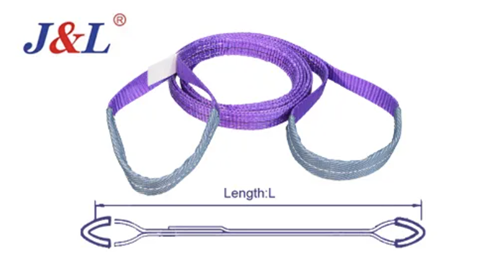
Срок службы такелажных строп в зависимости от материала
| Тип материала | Средняя продолжительность жизни | Общие приложения | Советы по обслуживанию |
|---|---|---|---|
| Нейлон | 2-5 годы | Подъем легких и средних нагрузок | Регулярный осмотр на наличие порезов и потертостей. |
| Полиэстер | 3-6 годы | Тяжелый подъем, устойчивый к ультрафиолетовому излучению | Избегайте длительного пребывания на солнце |
| Стальная цепь | 10-20 годы | Тяжелый промышленный подъем | Регулярно проверяйте на наличие коррозии |
| Проволочный канат | 5-15 годы | Оснащение для суровых условий | Содержать в чистоте и смазать |
Признаки того, что такелажный строп необходимо заменить
Знание того, когда следует заменить такелажный строп, имеет решающее значение для безопасности.. Некоторые общие признаки включают:
- Видимые порезы или разрывы: Это главный предупреждающий знак. Любое видимое повреждение стропы может поставить под угрозу ее прочность и безопасность..
- Потертые или изношенные участки: Если вы заметили потертости или потертости, особенно вблизи несущих зон, пришло время замены.
- Обесцвечивание: Длительное воздействие ультрафиолетовых лучей может ослабить стропы.. Если слинг потускнел или изменил цвет, пришло время проверить его целостность.
- Растяжение или удлинение: Перегруженные стропы могут растянуться за пределы обычных пределов., что ослабляет стропу.
Признаки повреждения и когда следует заменить такелажный строп
| Тип повреждения | Описание | Требуется действие | График замены |
|---|---|---|---|
| Порезы или слезы | Любые порезы или разрывы материала стропа.. | Требуется немедленная замена. | Немедленный |
| Изнашивание | Видимые потертости или потертости на ткани.. | Осмотр на наличие внутренних повреждений. | 6 месяцев до 1 год |
| Обесцвечивание | Выцветание или изменение цвета из-за воздействия ультрафиолета. | Внимательно осмотрите на предмет ослабления. | 1-2 годы |
| Растяжка | Ремешок заметно удлинился. | Проверьте грузоподъемность. | 1 год (частое использование) |
Как увеличить продолжительность жизни Такелажный строп?
Чтобы ваш такелажный строп прослужил как можно дольше, следуй этим советам:
- Следуйте рекомендациям производителя: Всегда соблюдайте рекомендации производителя по использованию и техническому обслуживанию..
- Регулярно проверяйте: Проводите частые визуальные проверки. Ищите любые признаки износа или повреждения.
- Избегайте перегрузки: Не превышайте номинальную грузоподъемность стропа..
- Правильное хранение: Храните стропы в сухом, чистая окружающая среда, вдали от сильной жары, холодный, и прямые солнечные лучи.
- Используйте защитное оборудование: При подъеме грузов с острыми краями или неровными краями, используйте защитные рукава или прокладку, чтобы предотвратить повреждение стропа.
Понимание подъемных строп и. Такелажные стропы
При этом подъемные и такелажные стропы аналогичны., они служат немного другим целям. Подъемные стропы обычно используются для подъема предметов, пока такелажные стропы являются частью всей такелажной системы и могут использоваться для подъема грузов., обеспечение, или размещение тяжелых грузов. Оба типа строп играют важную роль при подъеме тяжелых грузов..
Сравнение Подъемные стропы и такелажные стропы
| Особенность | Подъемные стропы | Такелажные стропы |
|---|---|---|
| Основное использование | Подъемные объекты | Подъем, обеспечение, позиционирование нагрузок |
| Варианты материалов | Нейлон, полиэстер, трос | Цепь, трос, полиэстер, нейлон |
| Соображения безопасности | Грузоподъемность, износ | Проверка точек нагрузки и соединений |
| Продолжительность жизни | 2-5 годы (Нейлон) | 5-20 годы (Стальные цепи) |
Заключение
Срок службы такелажного стропа зависит от различных факторов, таких как материал, использование, среда, и обслуживание. Соблюдая правила техники безопасности и обеспечивая регулярные проверки, вы можете продлить срок службы такелажа. Помнить, безопасность превыше всего, а использование хорошо обслуживаемого оборудования снизит риск несчастных случаев и повысит производительность в промышленных условиях..
Регулярно заменяйте такелажные стропы, имеющие признаки износа., и всегда следуйте инструкциям производителя по правильному уходу и использованию.. С правильными мерами предосторожности, ваш такелажный строп может прослужить долгие годы, обеспечение безопасного и эффективного подъема.