


,
Tóm tắt
Một cuộc điều tra về tính toàn vẹn cơ học của xe tải hạng nặng cho thấy vai trò sâu sắc và thường bị đánh giá thấp của giá đỡ động cơ. Thành phần này, được thiết kế chủ yếu để cố định động cơ vào khung xe và giảm rung động, có thể gây ra một loạt lỗi hệ thống khi chức năng của nó bị tổn hại. Giá treo động cơ lỏng gây ra hiện tượng quá mức, chuyển động không kiểm soát, chuyển thành ứng suất cơ học đáng kể trên các hệ thống được kết nối với nhau. Phân tích này xem xét bảy mối nguy hiểm chính xuất phát từ việc lắp động cơ lỏng lẻo, khám phá chuỗi nhân quả dẫn đến thiệt hại trong quá trình truyền tải, hệ thống truyền động, Các bộ phận phụ trợ như ống mềm và hệ thống dây điện, hệ thống xả, và thiết bị làm mát. Hơn nữa, nó xem xét các tác động đối với sự ổn định của xe, lái xe an toàn, và độ mỏi lâu dài của kết cấu khung xe tải. Nghiên cứu kết luận rằng việc chẩn đoán chủ động và thay thế kịp thời giá đỡ động cơ bị hỏng hoặc lỏng không chỉ đơn thuần là nhiệm vụ bảo trì phòng ngừa mà còn là nhiệm vụ cơ bản để duy trì tuổi thọ hoạt động, sự an toàn, và khả năng kinh tế của xe thương mại.
Bài học chính
- Giá đỡ động cơ lỏng lẻo tạo ra ứng suất lớn lên hộp số và trục truyền động.
- Chuyển động động cơ quá mức làm hỏng các ống gần đó, thắt lưng, và hệ thống dây điện.
- Việc thay đổi trọng lượng động cơ không đảm bảo có thể ảnh hưởng đến khả năng xử lý xe và sự an toàn của người lái.
- Rung động từ giá đỡ động cơ bị lỏng có thể làm nứt ống xả và đường ống.
- Các kết nối và ống mềm của bộ tản nhiệt có nguy cơ cao bị hư hỏng và gây rò rỉ.
- Kiểm tra chủ động ngăn ngừa những hư hỏng nghiêm trọng và sửa chữa thứ cấp tốn kém.
- Luôn sử dụng các giá đỡ thay thế chất lượng cao để đảm bảo độ tin cậy lâu dài.
Mục lục
- Người bảo vệ vô hình: Hiểu vai trò của giá đỡ động cơ
- Chẩn đoán giá treo động cơ bị lỏng: Hướng dẫn kỹ thuật viên
- Sự nguy hiểm 1: Thiệt hại nghiêm trọng đối với hộp số và hệ thống truyền động
- Sự nguy hiểm 2: Tăng tốc độ mài mòn trên ống, Thắt lưng, và đường dây điện
- Sự nguy hiểm 3: Xử lý phương tiện không thỏa đáng và an toàn cho người lái xe
- Sự nguy hiểm 4: Hư hỏng các bộ phận của hệ thống xả
- Sự nguy hiểm 5: Hư hỏng thứ cấp đối với bộ tản nhiệt và hệ thống làm mát
- Sự nguy hiểm 6: Căng thẳng và mệt mỏi của khung kết cấu
- Sự nguy hiểm 7: Trật và hỏng động cơ hoàn toàn
- Quá trình thay thế: Những phương pháp hay nhất để kéo dài tuổi thọ
- Câu hỏi thường gặp (Câu hỏi thường gặp)
- Phần kết luận
- Tài liệu tham khảo
Người bảo vệ vô hình: Hiểu vai trò của giá đỡ động cơ
Trong hệ sinh thái phức tạp của một chiếc xe tải hạng nặng, nơi hàng ngàn bộ phận phải hoạt động hài hòa chính xác, một số thành phần thực hiện nhiệm vụ của mình một cách thầm lặng đến mức tầm quan trọng của chúng dễ bị bỏ qua. Giá đỡ động cơ là một ví dụ điển hình về một anh hùng thầm lặng như vậy. Nó không phải là một bộ phận có cảm biến điện tử hoặc các bộ phận chuyển động phức tạp, tuy nhiên chức năng của nó là nền tảng tuyệt đối cho hoạt động của xe, sự an toàn, và tuổi thọ. Để thực sự đánh giá cao sự nguy hiểm của việc gắn động cơ lỏng lẻo, đầu tiên chúng ta phải xây dựng một mô hình khái niệm về mục đích của nó, nghĩ về nó không chỉ như một phần cứng mà còn là trung gian hòa giải giữa hai thế lực mạnh mẽ và đối lập: sự bao la, công suất tạo rung của động cơ và phần cứng, nhu cầu kết cấu của khung xe.
Giá đỡ động cơ là gì? Bộ cách ly rung và neo cơ học
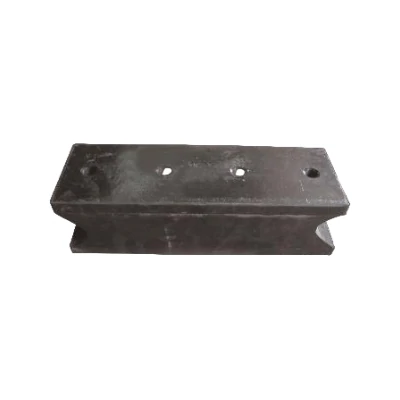
Ở mức độ cơ bản nhất, giá đỡ động cơ là kết nối vật lý để giữ chặt động cơ và cụm hộp số vào khung, hoặc khung gầm, của xe tải. Hãy tưởng tượng bạn đang nắm giữ một sức mạnh, con quay hồi chuyển quay trong tay bạn. Bạn phải nắm thật chặt để nó không bay đi, nhưng bạn cũng cần phải hấp thụ những rung động mạnh mẽ của nó để tránh sự khó chịu và duy trì khả năng kiểm soát. Giá đỡ động cơ thực hiện cả hai chức năng này cho động cơ xe tải.
Nó đóng vai trò như một giá đỡ chịu lực, hỗ trợ trọng lượng tĩnh cực lớn của động cơ, mà trong một chiếc xe tải thương mại có thể vượt quá 1,200 kg (khoảng 2,650 bảng Anh). Hơn thế nữa, nó phải hạn chế các động lực do mô-men xoắn của động cơ tạo ra. Khi người lái xe tăng tốc, động cơ cố gắng quay theo hướng ngược lại với hướng quay của trục khuỷu. Các giá đỡ động cơ chống lại lực quay này, thay vào đó, đảm bảo rằng sức mạnh được truyền qua hệ thống truyền động tới các bánh xe. Nếu không có sự kiềm chế này, động cơ sẽ lắc lư và xoắn dữ dội trong khoang động cơ. Giá đỡ động cơ bị lỏng thể hiện sự thất bại trong nhiệm vụ neo đậu chính này..
Khoa học về giảm rung
thứ hai, quan trọng như nhau, chức năng là cách ly rung động. Động cơ đốt trong là, bởi bản chất của nó, một nguồn rung động đáng kể. Các vụ nổ được kiểm soát trong mỗi xi lanh, chuyển động tịnh tiến của piston, và chuyển động quay của trục khuỷu đều tạo ra dao động trên một dải tần số rộng. Nếu những rung động này được truyền trực tiếp tới khung xe tải, hậu quả sẽ rất nghiêm trọng. Người lái xe và hành khách sẽ trải qua một chuyến đi ồn ào và khó chịu. Tàn phá hơn, những hằng số này, những rung động tần số cao sẽ hoạt động giống như một chiếc búa không ngừng tác động lên mọi bộ phận khác của xe, dẫn đến mỏi kim loại, ốc vít bị lỏng, và sự hư hỏng sớm của hệ thống điện tử và cơ khí (quý ông, 2009).
Giá đỡ động cơ hoạt động như một bộ lọc, hoặc một van điều tiết, đối với những rung động này. Nó được thiết kế để hấp thụ và tiêu tán năng lượng rung động, ngăn chặn nó lan truyền vào khung máy. Điều này thường đạt được thông qua việc sử dụng vật liệu đàn hồi, như cao su tự nhiên hoặc tổng hợp, có thể biến dạng khi chịu tải và sau đó trở lại hình dạng ban đầu, chuyển đổi năng lượng cơ học của rung động thành một lượng nhiệt nhỏ. Giá đỡ động cơ lỏng lẻo sẽ mất khả năng thực hiện chức năng giảm chấn này một cách hiệu quả, cho phép nguyên, rung động động cơ không được lọc để tấn công phần còn lại của xe.
Vật liệu và Thiết kế: Từ cao su đến gắn kết thủy lực
Thiết kế giá đỡ động cơ là một hành động cân bằng cẩn thận. Nó phải đủ cứng để điều khiển chuyển động của động cơ và truyền mô-men xoắn, nhưng đủ linh hoạt để hấp thụ rung động. Điều này đã dẫn đến sự phát triển của một số loại thú cưỡi, mỗi cái có đặc điểm riêng.
| Loại gắn kết | Giảm rung | Độ bền & Sức mạnh | Trị giá | Ứng dụng phổ biến trong xe tải hạng nặng |
|---|---|---|---|---|
| Cao su đặc | Tốt | Rất tốt | Thấp | Tiêu chuẩn trên nhiều mẫu mã về độ tin cậy và hiệu quả chi phí. |
| Thủy lực (chứa đầy chất lỏng) | Xuất sắc | Tốt | Cao | Xe tải hạng nặng và cao cấp, nơi sự thoải mái của người lái và khả năng cách ly rung động tối đa được ưu tiên. |
| Polyurethane | Khá đến Tốt | Xuất sắc | Trung bình | Thường được sử dụng trong các ứng dụng hoạt động hoặc tải nặng, trong đó chuyển động của động cơ phải được giảm thiểu. |
| Hoạt động/Điện tử | Thượng đẳng | Khá đến Tốt | Rất cao | Nổi lên ở dòng xe du lịch cao cấp; Tiềm năng tương lai cho xe tải thương mại thích ứng với tốc độ động cơ. |
Giá đỡ cao su rắn: Đây là loại phổ biến nhất. Chúng bao gồm các khối cao su chuyên dụng được liên kết giữa các khung kim loại. Máy đo độ cứng riêng của cao su (độ cứng) được điều chỉnh theo tần số cộng hưởng của động cơ để mang lại khả năng giảm chấn tối ưu.
Giá đỡ thủy lực: Đây là những loại cao cấp hơn và có thể coi là sự kết hợp giữa giá đỡ cao su và bộ giảm xóc nhỏ. Chúng chứa một buồng chứa đầy chất lỏng thủy lực. Khi động cơ rung, chất lỏng bị ép qua các lỗ nhỏ bên trong giá đỡ, cung cấp mức độ giảm chấn vượt trội, đặc biệt là ở tốc độ không tải, nơi rung động dễ nhận thấy nhất.
Giá đỡ polyurethane: Polyurethane là một loại polymer cứng hơn cao su. Những giá đỡ này mang lại khả năng kiểm soát tuyệt vời đối với chuyển động của động cơ, làm cho chúng trở nên phổ biến trong các ứng dụng mà hiệu suất là yếu tố then chốt. Tuy nhiên, độ cứng của chúng có nghĩa là chúng truyền nhiều rung động vào khung xe hơn so với các giá đỡ bằng cao su hoặc thủy lực, có khả năng dẫn đến một chuyến đi khắc nghiệt hơn.
Understanding these roles—anchoring the engine’s weight and torque, and isolating its vibrations—is the key to grasping why a single loose engine mount is not a minor annoyance but a precursor to a host of serious and expensive problems.
Chẩn đoán giá treo động cơ bị lỏng: Hướng dẫn kỹ thuật viên
Trước khi chúng ta khám phá bảy mối nguy hiểm tốn kém, điều thực tế trước tiên là phải hiểu cách xác định giá đỡ động cơ bị lỏng. Chẩn đoán sớm có thể tiết kiệm cho người điều hành đội xe hàng nghìn đô la khi sửa chữa thứ cấp. The process involves using your senses—hearing, thị giác, and touch—to detect the tell-tale signs of failure.
Manh mối thính giác: Lắng nghe tiếng clunks và tiếng thumps
Triệu chứng phổ biến nhất và thường là đầu tiên của việc lắp động cơ bị lỏng là tiếng ồn. Đây không phải là những tiếng ồn ào điển hình của một động cơ khỏe mạnh. Thay vì, bạn nên lắng nghe để phân biệt, âm thanh có tác động.
-
Cùn hoặc đập: A heavy “clunk” or “bang” from the engine bay during specific events is a classic sign. Đây là âm thanh của khối động cơ dịch chuyển vật lý và tiếp xúc với khung hoặc bộ phận khác do giá đỡ không còn giữ chắc chắn nữa. Hãy chú ý thật kỹ trong quá trình:
- Khởi động và tắt máy: Mô-men xoắn ban đầu của động cơ khởi động và rung lắc cuối cùng khi tắt máy có thể khiến động cơ bị lắc lư.
- Tăng tốc cứng: Khi mô-men xoắn được áp dụng, động cơ sẽ cố gắng xoắn. Một tiếng cạch lớn cho thấy nó đang di chuyển quá mức.
- Chuyển số: Đặc biệt ở hộp số sàn, sự thay đổi tải có thể khiến động cơ rung chuyển.
- Lái xe qua chỗ va chạm: Một cú xóc bất ngờ từ mặt đường có thể khiến động cơ không an toàn bị giật, dẫn đến tiếng gõ cửa.
-
Tăng độ rung chung: Trong khi khó xác định hơn, sự gia tăng chung của độ rung cảm thấy trong cabin, vô lăng, hoặc sàn, đặc biệt là khi không hoạt động hoặc ở phạm vi RPM cụ thể, cho thấy đặc tính giảm chấn của giá đỡ đã xuống cấp. Chất lượng xe trở nên khắc nghiệt hơn đáng kể.
Kiểm tra trực quan: Những gì cần tìm
Việc kiểm tra trực quan cẩn thận thường có thể xác nhận những nghi ngờ của bạn. Khi động cơ tắt và nguội, sử dụng đèn pin mạnh để kiểm tra từng giá đỡ động cơ. Hầu hết các xe tải hạng nặng đều có ít nhất hai hoặc ba giá đỡ.
- Vết nứt và nước mắt: Tìm kiếm các vết nứt sâu hoặc vết rách ở phần cao su của giá đỡ. Việc kiểm tra thời tiết trên bề mặt có thể là bình thường, nhưng những vết nứt sâu xuyên qua lớp cao su là dấu hiệu rõ ràng của sự thất bại.
- Sự tách biệt: Kiểm tra sự liên kết giữa cao su và khung kim loại. Nếu cao su bị bong tróc hoặc tách ra khỏi kim loại, việc gắn kết đã thất bại.
- chất lỏng rò rỉ: Đối với giá đỡ thủy lực, bất kỳ dấu hiệu rò rỉ chất lỏng nào đều là dấu hiệu báo động đỏ ngay lập tức. Giá treo sẽ bị ướt hoặc bị bao phủ trong bóng tối, cặn dầu. Giá đỡ thủy lực bị rò rỉ đã mất chất lỏng giảm chấn và không còn hiệu quả.
- Động cơ nói: Nhìn vào vị trí động cơ trong khoang. Nó có vẻ bị chùng xuống hoặc nghiêng sang một bên? Có thể so sánh khe hở giữa động cơ và các bộ phận ở hai bên. Khe hở không đều cho thấy một giá đỡ đã bị sập và không còn chịu được trọng lượng của động cơ nữa.
- Kim loại được đánh bóng hoặc cạo: Tìm kiếm sự sáng bóng, vết bóng hoặc vết xước trên lốc máy, khung, hoặc giá đỡ gắn động cơ. Đây là bằng chứng về sự tiếp xúc giữa kim loại với kim loại, xác nhận rằng động cơ đang di chuyển nhiều hơn mức cần thiết.
Kiểm tra phanh điện: Một phương pháp thực tế để xác nhận
Thử nghiệm này phải được thực hiện hết sức thận trọng, cần hai người: một người ngồi ở ghế lái và một người quan sát động cơ. Đó là một cách đáng tin cậy để quan sát hoạt động của giá treo động cơ lỏng lẻo.
An toàn là trên hết: Đảm bảo khu vực phía trước và phía sau xe tải thông thoáng. Người quan sát phải đứng sang một bên xe, không bao giờ đứng trước nó. Phanh tay phải được gài hoàn toàn.
- Khởi động động cơ: Tài xế khởi động xe tải.
- Áp dụng phanh: Người lái nhấn và giữ chặt bàn đạp phanh chính.
- Chuyển sang Drive: The driver shifts the transmission into “Drive.”
- Áp dụng ga nhẹ: Người lái xe chỉ tăng ga nhẹ trong một hoặc hai giây, vừa đủ để đặt hệ thống truyền động dưới tải.
- Quan sát: Người quan sát theo dõi chuyển động của động cơ. Một động cơ khỏe mạnh sẽ uốn cong nhẹ, but an engine with a loose mount will lift or twist dramatically—often several centimeters.
- Lặp lại ngược lại: The driver shifts into “Reverse” and repeats the light application of the throttle. Động cơ lúc này sẽ cố gắng vặn theo hướng ngược lại. Chuyển động quá mức theo một trong hai hướng cho thấy giá đỡ động cơ bị hỏng hoặc lỏng lẻo.
Bằng cách kết hợp những thính giác này, thị giác, và các bài kiểm tra thực tế, một kỹ thuật viên có thể tự tin chẩn đoán giá đỡ động cơ bị lỏng và hành động trước khi bảy mối nguy hiểm sau đây trở nên tốn kém, và có khả năng gây nguy hiểm, thực tế.
| Triệu chứng | Sự miêu tả | Nguyên nhân có thể liên quan đến Mount | Hành động được đề xuất |
|---|---|---|---|
| Tiếng ồn cục bộ | A loud “clunk” or “bang” during acceleration, phanh, hoặc dịch chuyển. | Động cơ chuyển động quá mức gây ra sự tiếp xúc giữa kim loại với kim loại. Giá đỡ không còn hạn chế mô-men xoắn. | Kiểm tra trực quan ngay lập tức và kiểm tra lực phanh. Chuẩn bị thay thế. |
| Rung quá mức | Cảm nhận độ rung tăng lên rõ rệt trong cabin, vô lăng, hoặc sàn, đặc biệt là lúc nhàn rỗi. | Chất lỏng cao su hoặc thủy lực trong giá đỡ bị hỏng, mất đi đặc tính giảm chấn. | Kiểm tra trực quan các vết nứt hoặc rò rỉ. So sánh với một chiếc xe tương tự nếu có thể. |
| Độ võng của động cơ có thể nhìn thấy | Động cơ có vẻ nghiêng hoặc thấp hơn về một bên. | Cao su trong ngàm bị xẹp hoặc tách rời hoàn toàn, không đỡ được trọng lượng của động cơ. | Đo khoảng sáng gầm từ động cơ đến khung ở cả hai bên. Cần phải thay thế ngay lập tức. |
| chất lỏng rò rỉ | Cặn dầu hoặc ẩm ướt trên hoặc dưới giá đỡ động cơ thủy lực. | Bàng quang bên trong của giá đỡ thủy lực bị vỡ, và nó đã mất đi chất lỏng làm ẩm. | Việc gắn kết đã thất bại. Lên lịch thay thế. |
| Khó khăn khi chuyển số | Trong hộp số tay, bánh răng có thể khó ăn khớp hơn hoặc có thể bị mài mòn. | Độ lệch của động cơ và hộp số đang ảnh hưởng đến hình dạng liên kết ly hợp và chuyển số. | Kiểm tra xem giá đỡ động cơ hoặc giá đỡ hộp số có bị lỏng hay không là nguyên nhân chính. |
Sự nguy hiểm 1: Thiệt hại nghiêm trọng đối với hộp số và hệ thống truyền động
Kết nối giữa động cơ và hộp số là một trong những giao diện được thiết kế chính xác nhất trên bất kỳ chiếc xe nào. Hai cái này nặng, các bộ phận mạnh mẽ được gắn chặt với nhau để tạo thành một khối duy nhất, và họ dựa vào các giá đỡ động cơ và hộp số để giữ chúng thẳng hàng hoàn hảo với phần còn lại của hệ thống truyền động. Giá đỡ động cơ lỏng lẻo vi phạm yêu cầu cơ bản này, đưa ra sự sai lệch khiến các lực hủy diệt lan truyền khắp toàn bộ hệ thống.
Vật lý của sự sai lệch: Làm thế nào chuyển mô-men xoắn thất bại
Hãy coi trục truyền động như một thanh quay có nhiệm vụ truyền công suất quay của động cơ tới các trục.. Nó được kết nối ở mỗi đầu bằng các khớp nối vạn năng (khớp chữ U), được thiết kế để hoạt động ở một góc nhỏ. Tuy nhiên, có một dung sai rất nhỏ cho góc hoạt động này. Khi giá đỡ động cơ bị lỏng khiến mặt trước của động cơ/bộ truyền động bị võng xuống, thang máy, hoặc dịch chuyển sang một bên, nó buộc các khớp chữ U này hoạt động ở một góc vượt xa giới hạn thiết kế của chúng (Eren, 2017).
Góc độ khắc nghiệt này có hai tác động tiêu cực ngay lập tức. Đầu tiên, it causes the driveshaft to not only rotate but also to oscillate or “whip” as it spins. Chuyển động quất này tạo ra lực rung động cực lớn. Thứ hai, bản thân các khớp chữ U phải chịu sự mài mòn cực độ. Vòng bi kim bên trong nắp khớp chữ U buộc phải di chuyển qua lại trong phạm vi lớn hơn nhiều, tạo ra nhiệt quá mức và nhanh chóng phá vỡ chất bôi trơn của chúng.
Hậu quả kéo dài trực tiếp đến việc truyền tải. Trục đầu ra của hộp số, được kết nối với trục truyền động, không được thiết kế để hỗ trợ vật nặng, Tải trọng dao động của trục truyền động. Điều này đặt một tải trọng lớn lên vòng bi và vòng đệm trục đầu ra phía sau của hộp số.. Vòng bi sẽ bị mòn sớm, dẫn đến tiếng rên rỉ hoặc tiếng nghiến răng, và con dấu sẽ thất bại, gây rò rỉ chất lỏng truyền. Nếu không được giải quyết, toàn bộ trục đầu ra có thể bị hỏng, requiring a complete transmission rebuild—a repair that can easily cost thousands of dollars and result in significant vehicle downtime.
Nghiên cứu điển hình: Bài học truyền tải tốn kém của một hạm đội
Hãy xem xét trường hợp thực tế của một công ty logistic ở Nam Phi vận hành một đội tàu 50 xe tải hạng nặng. Họ bắt đầu gặp phải tình trạng hỏng hộp số sớm ở một số phương tiện, tất cả với xung quanh 400,000 km trên đồng hồ đo đường. Chẩn đoán ban đầu từ xưởng của họ chỉ ra vòng bi trục đầu ra bị lỗi. Hệ thống truyền động đã được xây dựng lại, nhưng vấn đề lại tái diễn trên cùng một chiếc xe tải ít hơn 80,000 km sau.
Một cuộc điều tra sâu hơn đã được đưa ra. Một kỹ thuật viên cao cấp, bối rối trước những thất bại lặp đi lặp lại, đã thực hiện kiểm tra phanh điện trên một trong những xe tải bị ảnh hưởng. Ông quan sát thấy động cơ nâng lên gần 5 cm khi chịu tải. Nguyên nhân sâu xa không phải do sự lây truyền, nhưng một khung động cơ phía trước bên trái đã bị sập hoàn toàn. Giá đỡ động cơ lỏng lẻo đã tạo ra sự sai lệch nghiêm trọng của hệ thống truyền động, đã phá hủy một cách có hệ thống các vòng bi trục đầu ra. Công ty đã dành hơn $30,000 về việc xây dựng lại đường truyền không cần thiết trước khi thực sự, much cheaper culprit—a $200 engine mount—was identified. Trường hợp này minh họa việc giá đỡ động cơ bị lỏng có thể được coi là một vấn đề phức tạp hơn như thế nào., dẫn đến việc sửa chữa tốn kém và không hiệu quả.
Xác định sớm các dấu hiệu căng thẳng của hệ thống truyền động
Người quản lý đội xe và người lái xe có thể được đào tạo để phát hiện những cảnh báo sớm về độ căng của hệ thống truyền động do giá đỡ động cơ bị lỏng..
- Rung động mới khi tải: Một cái mới, rung động rõ rệt xuất hiện hoặc trầm trọng hơn khi tăng tốc là triệu chứng chính. Đây là cảm giác dao động của trục truyền động bị lệch. Có thể có cảm giác như rung động xuất phát từ trung tâm hoặc phía sau xe tải.
- Tiếng rên rỉ hoặc tiếng mài: Tiếng rên rỉ the thé hoặc tiếng nghiến răng trầm thay đổi theo tốc độ xe (không phải RPM động cơ) thường chỉ ra ổ trục đầu ra bị hỏng hoặc khớp chữ U bị mòn.
- Đang cố gắng tham gia vào Gear: A “clunk” sound when shifting from Park to Drive or when initially taking up power can be the sound of slack in worn U-joints, đã bị hư hỏng do sai lệch.
- Rò rỉ chất lỏng: Bất kỳ dấu hiệu nào của chất lỏng màu đỏ hoặc sẫm màu rò rỉ từ phía sau hộp số đều cho thấy phốt đầu ra bị hỏng, hậu quả chung của tải trọng bên do trục truyền động bị lệch.
Giải quyết vấn đề giá treo động cơ bị lỏng khi có dấu hiệu đầu tiên của những triệu chứng này là cách hiệu quả nhất để ngăn chặn chi phí lớn và có thể tránh được khi sửa chữa hộp số và hệ thống truyền động..
Sự nguy hiểm 2: Tăng tốc độ mài mòn trên ống, Thắt lưng, và đường dây điện
Khoang động cơ của một chiếc xe tải hiện đại là một không gian chật hẹp, một mạng lưới ống phức tạp, thắt lưng, và hệ thống dây điện giúp động cơ và các hệ thống hỗ trợ của nó hoạt động. Các bộ phận này được thiết kế với độ chùng và độ linh hoạt vừa đủ để thích ứng với các điều kiện thông thường, kiểm soát linh hoạt của động cơ được lắp đúng cách. Khi giá đỡ động cơ bị lỏng khiến động cơ chuyển động quá mức và thất thường, sự cân bằng mong manh này bị phá hủy, và các thành phần phụ trợ này phải chịu ứng suất mà chúng không bao giờ được thiết kế để chịu được.
Hiệu ứng Domino của việc di chuyển động cơ quá mức
Hãy tưởng tượng kéo căng và thả lỏng một sợi dây cao su nhiều lần. Sau cùng, nó sẽ mất tính đàn hồi và gãy. Quá trình tương tự xảy ra với các bộ phận được kết nối với động cơ chuyển động mạnh.
- ống mềm: Ống làm mát, đường lái trợ lực, và ống điều hòa đều có nguy cơ. Khi động cơ chao đảo, nó kéo và xoắn những ống này. Sự căng thẳng liên tục này có thể làm cho vật liệu ống bị trầy xước và yếu đi., đặc biệt là tại các điểm kết nối. Các kẹp kim loại giữ chặt ống có thể cắm sâu vào lớp cao su, tạo ra điểm yếu. Sau cùng, vòi có thể bị vỡ, dẫn đến tình trạng mất nước làm mát đột ngột, dầu trợ lực lái, hoặc chất làm lạnh.
- Thắt lưng: Vành đai ngoằn ngoèo, điều khiển máy phát điện, máy bơm nước, bơm trợ lực lái, và máy nén A/C, được giữ dưới sức căng chính xác. Động cơ liên tục thay đổi vị trí có thể khiến dây đai bị mất lực căng trong giây lát hoặc bị lệch với các ròng rọc của nó.. Điều này có thể dẫn đến một tiếng rít the thé, mài mòn đai tăng tốc, và thậm chí khiến dây đai văng ra khỏi ròng rọc hoàn toàn, dẫn đến mất ngay lập tức tất cả các chức năng truyền động bằng dây đai.
- Dây điện: Dây nịt có lẽ dễ bị tổn thương nhất. Các bó dây này được định tuyến với các khoảng trống cụ thể. Khi động cơ di chuyển quá mức, nó có thể kéo dài dây nịt, gây căng thẳng cho dây và đầu nối của chúng. Lớp cách nhiệt có thể bị cọ xát thô vào khối động cơ hoặc khung xe, dẫn đến đoản mạch. Các đầu nối có thể được kéo lỏng lẻo, gây ra lỗi không liên tục hoặc hỏng toàn bộ các cảm biến quan trọng, máy phát điện, hoặc động cơ khởi động.
Điểm thất bại phổ biến: Ống tản nhiệt và dây nịt
Hai bộ phận đặc biệt dễ bị hư hỏng do giá đỡ động cơ bị lỏng.
- Ống tản nhiệt trên và dưới: Đây là những ống có đường kính lớn phải uốn cong theo động cơ. Khi động cơ nâng lên hoặc hạ xuống quá mức, nó gây áp lực rất lớn lên cổ ống của bộ tản nhiệt, thường được làm bằng nhựa. Bản thân ống có thể bị kéo căng và đứt, hoặc sự căng thẳng có thể làm nứt cổ bộ tản nhiệt, dẫn đến rò rỉ chất làm mát thảm khốc.
- Khai thác dây động cơ chính: Bộ dây chính kết nối bộ điều khiển điện tử của động cơ (ECU) với khung xe là một liên kết quan trọng. Giá đỡ động cơ bị lỏng có thể khiến dây đai này bị kéo căng, bị trầy xước, hoặc nghiền nát. Hư hỏng dây nịt này có thể dẫn đến một loạt lỗi điện tử đáng kinh ngạc, kiểm tra đèn động cơ, và các tình trạng không khởi động nổi tiếng là khó chẩn đoán và tốn thời gian. Một thợ cơ khí có thể mất hàng giờ để tìm ra lỗi cảm biến, chỉ để tìm ra nguyên nhân sâu xa là một sợi dây đã bị động cơ rung chuyển cọ xát.
Kiểm tra phòng ngừa cho các thành phần phụ trợ
Trong bất kỳ cuộc kiểm tra định kỳ nào, và đặc biệt nếu nghi ngờ giá treo động cơ bị lỏng, kỹ thuật viên cần hết sức chú ý đến những bộ phận phụ trợ này.
- Kiểm tra Chafing: Tìm kiếm bất kỳ ống hoặc dây điện nào đang tiếp xúc với động cơ, khung, hoặc các thành phần khác. Tìm những vết sáng bóng hoặc bị mòn ở lớp vỏ bên ngoài.
- Kiểm tra kết nối ống: Bóp ống tản nhiệt gần các điểm kết nối. Họ nên cảm thấy vững chắc, không mềm hoặc xốp. Tìm kiếm bất kỳ dấu hiệu phồng lên hoặc rò rỉ nào xung quanh kẹp.
- Kiểm tra tình trạng vành đai: Kiểm tra vành đai ngoằn ngoèo xem có dấu hiệu của kính không (vẻ ngoài sáng bóng), vết nứt, hoặc sờn. Đảm bảo nó di chuyển chính xác ở giữa ròng rọc.
- Kiểm tra bộ dây điện: Kéo nhẹ các đầu nối để đảm bảo chúng được an toàn. Tìm kiếm bất kỳ khu vực nào mà dây đai có vẻ bị kéo căng quá mức hoặc bị gấp khúc.
Chi phí của một ống tản nhiệt mới hoặc sửa chữa hệ thống dây điện là không đáng kể so với chi phí hư hỏng có thể xảy ra do hỏng hóc của chúng., chẳng hạn như động cơ quá nóng và bị kẹt hoặc hỏa hoạn do chập điện. Tất cả những rủi ro này có thể bắt nguồn từ chuyển động không kiểm soát được từ giá đỡ động cơ bị lỏng..
Sự nguy hiểm 3: Xử lý phương tiện không thỏa đáng và an toàn cho người lái xe
Trong khi thiệt hại cơ học do giá đỡ động cơ bị lỏng gây ra là đáng kể, tác động đến khả năng xử lý của xe và sự an toàn của người lái xe có thể còn đáng báo động hơn. Xe tải hạng nặng là một thiết bị đòi hỏi sự điều khiển chính xác, và bất kỳ hành vi không thể đoán trước đều có thể gây ra hậu quả nguy hiểm, đặc biệt là ở tốc độ đường cao tốc hoặc khi giao thông đông đúc. Giá đỡ động cơ bị lỏng sẽ tạo ra một biến số đáng kể đối với động lực học của xe, làm suy yếu khả năng tự tin điều khiển xe tải của người lái xe.
Sự thay đổi động cơ ảnh hưởng đến trọng tâm như thế nào
The concept of “center of gravity” is fundamental to vehicle stability. Các kỹ sư dành vô số thời gian để thiết kế khung gầm và hệ thống treo của xe tải để đảm bảo điểm này ở mức thấp và ổn định nhất có thể. Động cơ, là một trong những thành phần đơn lẻ nặng nhất, là yếu tố chính trong tính toán này. Vị trí của nó được cố định và được tính vào đặc tính xử lý của xe.
Giá đỡ động cơ lỏng lẻo cho phép trọng lượng khổng lồ này thay đổi một cách khó lường trong quá trình lái xe. Khi tài xế tăng tốc, động cơ có thể lắc lư về phía sau và hướng lên trên. Khi phanh, nó có thể lao về phía trước. Trong một lượt, nó có thể dịch chuyển sang một bên. Mỗi chuyển động này đều gây ra sự thay đổi đột ngột và bất ngờ trong trọng tâm tổng thể của xe tải..
Người lái xe cảm thấy thế nào? It can manifest as a sensation of the truck “wallowing” or feeling “unsettled” during turns. Phản hồi với đầu vào lái có thể bị chậm hoặc không nhất quán. Trong một động tác né tránh bất ngờ, chẳng hạn như chuyển hướng để tránh chướng ngại vật, phản ứng chậm trễ của khối động cơ chuyển số có thể tạo ra sự khác biệt giữa việc tránh né thành công và mất kiểm soát.. Hệ thống treo buộc phải phản ứng không chỉ với tác động của người lái mà còn với chuyển động thứ cấp của động cơ lắc lư, làm cho hành vi của chiếc xe khó dự đoán hơn nhiều.
The Sensation of a “Lurch” During Acceleration and Braking
Perhaps the most disconcerting effect for a driver is the pronounced “lurch” or “thud” that accompanies changes in speed. Khi tài xế nhấn ga, có thể có một sự chậm trễ đáng chú ý, sau đó là một cú giật đột ngột khi động cơ quay trở lại và hệ thống truyền động bị chùng xuống. Điều này làm cho trơn tru, khó kiểm soát khả năng tăng tốc, điều này đặc biệt có vấn đề khi di chuyển trong không gian chật hẹp hoặc trong tình trạng giao thông dừng và đi.
Hiệu ứng có thể còn rõ rệt hơn trong quá trình phanh. Khi người lái xe đạp phanh, đà của động cơ không an toàn khiến nó lao về phía trước, tạo ra chấn động có thể bị nhầm lẫn với vấn đề về phanh. Việc chuyển trọng lượng đột ngột sang trục trước này có thể ảnh hưởng tạm thời đến sự cân bằng và ổn định của phanh.. Đối với người lái xe chịu trách nhiệm về xe có trọng lượng lên tới 40 tấn, bất kỳ hành vi không thể đoán trước nào đều là nguồn gây căng thẳng và đe dọa trực tiếp đến khả năng vận hành phương tiện một cách an toàn của họ. Nó làm xói mòn sự kết nối và tin cậy giữa người lái xe và chiếc máy của họ.
Ý nghĩa pháp lý và an toàn đối với người khai thác đội tàu
Từ góc độ quản lý đội tàu, Giá đỡ động cơ lỏng lẻo không chỉ là vấn đề bảo trì; đó là trách nhiệm về an toàn. Ở nhiều vùng, bao gồm cả những người có chương trình kiểm tra xe nghiêm ngặt, một chiếc xe có khung động cơ lỏng lẻo có thể bị coi là không đủ tiêu chuẩn lưu thông và bị loại khỏi dịch vụ. Việc kiểm tra bên đường cho thấy giá đỡ động cơ bị hỏng có thể bị phạt tiền và bắt buộc phải sửa chữa trước khi xe tải được phép tiếp tục.
Nghiêm túc hơn, trong trường hợp xảy ra tai nạn, một cuộc điều tra sau vụ tai nạn xác định giá đỡ động cơ bị bỏ quên và hỏng hóc nghiêm trọng là một yếu tố góp phần có thể gây ra hậu quả đáng kể về mặt pháp lý và tài chính cho nhà điều hành đội xe. Nó có thể được coi là bằng chứng của việc bảo trì cẩu thả, có khả năng ảnh hưởng đến yêu cầu bồi thường bảo hiểm và trách nhiệm pháp lý.
Vì vậy, đảm bảo rằng giá đỡ động cơ ở tình trạng tốt là thành phần cốt lõi của quy trình an toàn của đội xe. Đó là về việc bảo vệ người lái xe, công chúng, và bản thân công ty khỏi những rủi ro có thể thấy trước liên quan đến một chiếc xe bị xâm nhập. Chi phí kiểm tra và thay thế tương đối thấp giá đỡ động cơ xe tải chất lượng cao là một cái giá nhỏ phải trả để có được sự yên tâm nhờ biết rằng bộ phận nặng nhất của xe được đảm bảo an toàn và các đặc tính xử lý của nó ổn định và có thể dự đoán được.
Sự nguy hiểm 4: Hư hỏng các bộ phận của hệ thống xả
Hệ thống ống xả trên xe tải hạng nặng được lắp ráp chắc chắn nhưng cứng cáp. Nó được thiết kế để dẫn khí cực nóng ra khỏi động cơ, làm dịu tiếng ồn của quá trình đốt cháy, và xử lý khí thải trước khi thải vào khí quyển. Hệ thống này được bắt vít trực tiếp vào động cơ ở ống xả, và sau đó được cố định vào khung xe tải ở nhiều điểm khác nhau dọc theo chiều dài của nó. Kết nối kép này với cả động cơ rung và khung cứng khiến nó đặc biệt dễ bị tổn thương trước chuyển động quá mức do giá đỡ động cơ lỏng lẻo gây ra..
Gãy ứng suất trong ống xả và ống xả
Hãy nghĩ đến việc uốn cong một chiếc kẹp giấy kim loại. Dù nó có mạnh mẽ, sự căng thẳng lặp đi lặp lại cuối cùng sẽ khiến nó bị gãy. Một quá trình mỏi kim loại chu kỳ thấp tương tự xảy ra trong hệ thống ống xả khi động cơ được phép di chuyển quá mức..
Ống xả, thường được làm bằng gang nặng, được bắt vít trực tiếp vào đầu xi lanh. Khi động cơ rung lắc do giá đỡ động cơ bị lỏng, nó truyền một lực uốn mạnh lên ống góp. Ống góp không được thiết kế để uốn cong. Ứng suất lặp đi lặp lại này tập trung ở mặt bích bu lông và bộ thu, dẫn tới sự hình thành các vết nứt vi mô. Theo thời gian, những vết nứt này phát triển và có thể dẫn đến một ống góp bị nứt hoàn toàn. Đa tạp bị nứt là một vấn đề nghiêm trọng, dẫn đến rò rỉ khí thải lớn trong khoang động cơ và thoát ra khí nóng, khí độc gần các bộ phận nhạy cảm.
Các lực tương tự di chuyển dọc theo dòng. The flexible joint or “flex pipe” located after the manifold is designed to absorb some engine movement, nhưng nó có giới hạn của nó. Sự rung lắc mạnh từ giá đỡ lỏng lẻo có thể khiến kim loại bện của ống mềm bị rách hoặc gãy. Xuống sâu hơn, các ống xả cứng và bộ giảm thanh nặng và hệ thống xử lý sau (như DPF và SCR) được giữ bằng móc treo bắt vít vào khung. Khi động cơ chao đảo, nó kéo và đẩy toàn bộ tổ hợp này, gây áp lực lớn lên các mối hàn của móc treo ống và mặt bích ống. Điều này có thể dẫn đến móc treo bị hỏng, gioăng giữa các đoạn ống bị hỏng, và mối hàn bị gãy.
Chi phí tài chính và môi trường của rò rỉ khí thải
Rò rỉ trong hệ thống ống xả không chỉ gây ra tiếng ồn khó chịu.
- Hiệu suất và tiết kiệm nhiên liệu: Rò rỉ khí thải ở thượng nguồn của bộ tăng áp, chẳng hạn như từ một ống góp bị nứt, sẽ dẫn đến mất năng lượng khí thải có sẵn để quay turbo. Điều này dẫn đến áp suất tăng thấp hơn, công suất động cơ giảm đáng kể, và mức tiêu thụ nhiên liệu tăng đáng kể do người lái phải tăng ga nhiều hơn để đạt được hiệu suất tương tự.
- Kiểm tra khí thải không thành công: Ở những khu vực có kiểm tra khí thải, bất kỳ sự rò rỉ nào trong hệ thống ống xả đều có thể khiến xe không được kiểm tra. Sự rò rỉ có thể cho phép oxy được hút vào dòng khí thải, điều này sẽ gây nhầm lẫn giữa cảm biến oxy và ECU của động cơ, dẫn đến tính toán hỗn hợp nhiên liệu không chính xác và mã lỗi.
- Thiệt hại cho các thành phần khác: Khí thải nóng thoát ra từ ống góp bị nứt hoặc đường ống bị vỡ có thể dẫn thẳng vào các bộ phận gần đó. Cái này có thể làm tan chảy dây điện bằng nhựa, nấu chất lỏng trong đường phanh hoặc trợ lực lái, và thậm chí tạo ra nguy cơ hỏa hoạn.
- Sức khỏe và sự thoải mái của người lái xe: Rò rỉ khí thải gần cabin có thể thải ra khí carbon monoxide nguy hiểm (CO) khói bay vào cabin, gây nguy cơ sức khỏe trực tiếp cho người lái xe, gây đau đầu, buồn ngủ, Và, trong trường hợp nghiêm trọng, đầu độc.
Kỹ thuật kiểm tra hệ thống xả
Khi kiểm tra xe tải, đặc biệt nếu nghi ngờ giá treo động cơ bị lỏng, hệ thống ống xả cần được kiểm tra kỹ lưỡng.
- Lắng nghe rò rỉ: Tiếng tích tắc hoặc rít từ khoang động cơ, đặc biệt là khi động cơ nguội và mới khởi động, là dấu hiệu kinh điển của ống xả bị nứt. Âm thanh có thể giảm đi khi kim loại nóng lên và nở ra, tạm thời bịt kín vết nứt.
- Kiểm tra trực quan các vệt bồ hóng: Với động cơ đang chạy, tìm kiếm những vệt bồ hóng đen xung quanh ống góp, mặt bích ống, và mối hàn. Đây là bằng chứng rõ ràng về nơi khí thải thoát ra.
- Kiểm tra móc treo và giá đỡ: Kiểm tra tất cả các móc treo bằng cao su và kim loại hỗ trợ hệ thống ống xả. Tìm kiếm các bộ cách ly cao su bị nứt hoặc gãy và các mối hàn bị gãy trên giá đỡ. Lấy ống xả (khi mát mẻ) và cố gắng di chuyển nó. Cần có một số chuyển động trên móc treo cao su, nhưng nó không được kêu lạch cạch hoặc có cảm giác lỏng lẻo hoàn toàn.
Tính toàn vẹn của hệ thống ống xả gắn liền với sự ổn định của động cơ. Bảo vệ các bộ phận đắt tiền như ống góp và hệ thống xử lý sau là một lý do thuyết phục khác để đảm bảo rằng các giá đỡ động cơ luôn hoạt động hoàn hảo..
Sự nguy hiểm 5: Hư hỏng thứ cấp đối với bộ tản nhiệt và hệ thống làm mát
Hệ thống làm mát của xe tải hạng nặng là huyết mạch của nó. Nó có nhiệm vụ tiêu tán lượng nhiệt thải khổng lồ do động cơ tạo ra, bảo vệ nó khỏi quá nóng và thất bại thảm khốc. Bộ tản nhiệt, một thành phần quan trọng của hệ thống này, được gắn vào khung cứng của xe tải, trong khi động cơ nguội đi có thể chuyển động. This inherent separation means that the connections between them—the large radiator hoses—and the radiator itself are highly susceptible to damage from the excessive motion of a loose engine mount.
Tác động và căng thẳng đối với các kết nối bộ tản nhiệt
Bộ tản nhiệt thường được đặt ở phía trước khoang động cơ, được cố định vào khung máy thông qua bộ giá đỡ cao su riêng. Động cơ nằm phía sau nó, được kết nối bằng các ống tản nhiệt trên và dưới. Ngoài ra, một tấm che quạt thường được gắn vào bộ tản nhiệt, bao quanh quạt điều khiển động cơ để cải thiện luồng không khí. Toàn bộ sự sắp xếp này là một tổ hợp cân bằng tinh xảo với dung sai chặt chẽ.
Khi giá đỡ động cơ bị lỏng khiến động cơ chao đảo về phía trước khi phanh hoặc va chạm, một số sự kiện tai hại có thể xảy ra:
- Tác động của quạt: Quạt dẫn động bằng động cơ có thể lao về phía trước và đập vào vỏ quạt hoặc lõi bộ tản nhiệt. Một cánh quạt va vào các lá nhôm mỏng manh của bộ tản nhiệt có thể làm thủng lõi, gây ra rò rỉ chất làm mát ngay lập tức và lớn. Dù chỉ chạm vào tấm vải nhựa, nó có thể phá vỡ tấm vải liệm, gửi các mảnh vỡ vào quạt quay, sau đó có thể được đẩy vào các thành phần khác.
- Căng thẳng cổ vòi: Các điểm mà ống tản nhiệt trên và dưới kết nối với bộ tản nhiệt được gọi là cổ đầu vào và đầu ra. Trên những chiếc xe tải hiện đại, những chiếc cổ này thường được làm bằng nhựa, trở nên giòn theo thời gian khi tiếp xúc với nhiệt và rung. Chuyển động giật và kéo mạnh mẽ từ chuyển động của động cơ lỏng lẻo gây áp lực lớn lên các cổ này. Điều này có thể làm cho nhựa bị nứt, dẫn đến rò rỉ dai dẳng và khó phát hiện cho đến khi nó trở nên nghiêm trọng.
- Sự mài mòn và hư hỏng của ống: Bản thân các ống bị kéo căng và xoắn. Ống tản nhiệt phía dưới đặc biệt dễ bị tổn thương, vì động cơ có thể rơi và kẹp hoặc cọ xát ống mềm vào khung hoặc các bộ phận lái. Sự cọ xát liên tục này sẽ làm mòn vật liệu ống, cuối cùng dẫn đến bùng nổ.
Rủi ro quá nhiệt từ vòng làm mát bị hỏng
Bất kỳ vi phạm nào về tính toàn vẹn của vòng lặp hệ thống làm mát đều có thể dẫn đến động cơ quá nóng. Một cái nhỏ, rò rỉ chậm từ cổ bộ tản nhiệt bị nứt hoặc ống bị trầy xước có thể không rõ ràng ngay lập tức. Người lái xe chỉ có thể nhận thấy đồng hồ đo nhiệt độ tăng dần khi leo dốc dài hoặc khi bị kẹt xe. Vào thời điểm đèn cảnh báo nước làm mát thấp bật sáng, một lượng đáng kể chất làm mát có thể đã bị mất.
Nếu xe tải tiếp tục vận hành với lượng nước làm mát thấp, hậu quả leo thang nhanh chóng. Chất làm mát còn lại có thể sôi, tạo ra các túi khí trong hệ thống ngăn chặn sự truyền nhiệt thích hợp. Điều này có thể dẫn đến đầu xi lanh bị cong vênh, một miếng đệm đầu thổi, hoặc, trong trường hợp xấu nhất, tịch thu động cơ hoàn toàn. Kẹt động cơ là một trong những sự cố thảm khốc và tốn kém nhất mà xe tải có thể gặp phải, thường yêu cầu thay thế hoàn toàn động cơ. Chi phí của một thất bại như vậy có thể vượt quá $25,000, một khoản chi phí lớn có thể ngăn ngừa được bằng cách thay thế một thiết bị bị lỗi, gắn động cơ lỏng lẻo.
Trọng tâm chẩn đoán: Kết nối tiếng ồn động cơ với các vấn đề làm mát
Kỹ thuật viên giàu kinh nghiệm hiểu rằng các triệu chứng thường có mối liên hệ với nhau. Khi người lái xe báo cáo vấn đề quá nhiệt hoặc rò rỉ chất làm mát, chẩn đoán tiêu chuẩn sẽ bao gồm việc kiểm tra áp suất hệ thống và kiểm tra các ống mềm, máy bơm nước, và tản nhiệt. Tuy nhiên, một phương pháp chẩn đoán ưu việt, đặc biệt nếu xe tải cũng có các triệu chứng như tiếng ồn lạch cạch hoặc rung lắc quá mức, là coi giá đỡ động cơ lỏng lẻo là nguyên nhân sâu xa tiềm ẩn.
- Kiểm tra quạt và tấm vải liệm: Đi tìm dấu vết nhân chứng, vết xước, hoặc vết nứt trên vỏ quạt. Kiểm tra các cánh quạt xem có dấu hiệu hư hỏng do va chạm không. Đo khoảng hở giữa quạt và bộ tản nhiệt/tấm che. Nó phải bằng nhau.
- Kiểm tra giá đỡ bộ tản nhiệt: Giống như giá đỡ động cơ, giá treo bộ tản nhiệt có thể bị hỏng. Kiểm tra chúng xem có vết nứt hoặc cao su bị xẹp không, vì bộ tản nhiệt lỏng lẻo cũng có thể góp phần gây ra những vấn đề này.
- Theo dõi nguồn rò rỉ: Khi phát hiện rò rỉ ở cổ bộ tản nhiệt hoặc đầu nối ống, đừng chỉ thay thế một phần. Hỏi Tại sao nó thất bại. Kiểm tra dấu hiệu căng thẳng bất thường, chẳng hạn như vết xước trên ống hoặc bằng chứng cho thấy ống đã bị kéo căng. Tư duy điều tra này là điểm khác biệt giữa người thay thế linh kiện với bác sĩ chẩn đoán thực thụ và là yếu tố cần thiết để ngăn ngừa những lỗi lặp lại.
Bảo vệ hệ thống làm mát là luận cứ mạnh mẽ để duy trì sự ổn định của động cơ. Giá đỡ động cơ lỏng lẻo khiến toàn bộ vòng làm mát gặp nguy hiểm, biến một cách đơn giản, thành phần chi phí thấp có thể trở thành nguyên nhân tiềm ẩn gây ra những hư hỏng cơ học đắt giá nhất.
Sự nguy hiểm 6: Căng thẳng và mệt mỏi của khung kết cấu
Khung xe, hoặc khung, của một chiếc xe tải hạng nặng là xương sống của nó. Đó là nền tảng để xây dựng mọi thứ khác, và nó được thiết kế để chịu tải trọng lớn của hàng hóa, hệ thống truyền động, và lực của đường. Mặc dù nó cực kỳ mạnh mẽ, nó không phải là bất khả chiến bại. Khung được thiết kế để quản lý các lực dự kiến một cách có kiểm soát. Giá đỡ động cơ lỏng lẻo tạo ra một lực bất ngờ và có sức tàn phá: tần số cao, rung động không được lọc, có thể dẫn đến sự mệt mỏi và hư hỏng cấu trúc lâu dài.
Truyền các rung động không được kiểm soát sang khung gầm
Như chúng ta đã thảo luận, vai trò chính của giá đỡ động cơ khỏe mạnh là hoạt động như một bộ giảm chấn, cách ly khung xe khỏi dao động tự nhiên của động cơ. Khi giá đỡ bị hỏng hoặc bị lỏng, hàng rào bảo vệ này được loại bỏ. Nguyên liệu, những rung động mạnh mẽ của động cơ diesel giờ đây được truyền trực tiếp vào đường ray khung.
Hãy coi khung hình như một âm thoa. Khi tần số rung động của động cơ trùng với tần số cộng hưởng tự nhiên của khung xe, sự rung động có thể được khuếch đại, tạo điều kiện cộng hưởng. Hiện tượng này, am hiểu về kỹ thuật cơ khí, có sức tàn phá khủng khiếp (Rao, 2011). Nó gửi các làn sóng ứng suất qua toàn bộ chiều dài của đường ray khung. Đây không phải là khả năng uốn cong nhẹ nhàng của khung được thiết kế để xử lý khi vượt qua va chạm; nó nhanh chóng, rung lắc tần số cao tấn công vào cấu trúc vi mô của thép.
Sự rung động này không chỉ ở trong khung hình. Nó truyền đến mọi thành phần được gắn vào nó. Người lái xe taxi buộc phải làm việc ngoài giờ, dẫn đến sự thất bại sớm của họ và một chuyến đi khó khăn hơn. Các điểm lắp hệ thống treo phải chịu thêm áp lực. Ngay cả các bộ phận ở xa động cơ, như cụm bánh thứ năm hoặc giá đỡ đèn hậu, có thể bị mài mòn và mỏi nhanh hơn do những rung động truyền qua này.
Hậu quả lâu dài: Vết nứt vi mô và cong vênh
Mối nguy hiểm nguy hiểm nhất của sự rung động liên tục này là sự phát triển của hiện tượng mỏi kim loại.. Ứng suất tập trung tại các điểm cụ thể trong khung, thường xung quanh các lỗ, uốn cong, và các điểm gắn kết thành viên chéo. Ở cấp độ vi mô, tải theo chu kỳ này bắt đầu các vết nứt nhỏ. Trải qua hàng ngàn dặm và hàng triệu chu kỳ rung động, những vết nứt vi mô này có thể phát triển.
Sau cùng, chúng có thể trở thành những vết nứt nhìn thấy được trên thanh ray khung hoặc các thanh ngang. Vết nứt trên khung xe tải là lỗi an toàn nghiêm trọng. Nó làm ảnh hưởng nghiêm trọng đến khả năng chịu tải của xe và tính nguyên vẹn của cấu trúc khi có va chạm. Ở nhiều khu vực pháp lý, một khung bị nứt sẽ ngay lập tức khiến phương tiện hoạt động bất hợp pháp. Sửa chữa khung bị nứt là một quá trình đòi hỏi tính chuyên môn cao và tốn kém, thường yêu cầu khung phải được gia cố hoặc, trong trường hợp nghiêm trọng, toàn bộ chiếc xe sẽ ngừng hoạt động.
Ngoài vết nứt, sự căng thẳng liên tục có thể dẫn đến một dạng thiệt hại tinh tế hơn: cong vênh. Khung có thể bị xoắn hoặc uốn cong một chút theo thời gian, có thể khiến toàn bộ chiếc xe mất thăng bằng. Điều này có thể dẫn đến vấn đề mòn lốp dai dẳng, vấn đề theo dõi xe (the truck “dog-tracks” or pulls to one side), và căng thẳng hơn nữa trên các bộ phận treo và lái.
Sử dụng Phân tích Rung động để Đánh giá Tình trạng Khung
Trong bảo trì đội tàu tiên tiến, một số người vận hành sử dụng các công cụ phân tích rung động để chủ động theo dõi tình trạng xe. Cảm biến có thể được đặt trên khung để đo mức độ và tần suất rung động trong quá trình hoạt động. Mức độ rung cao bất thường ở tần số đặc trưng của động cơ có thể là dấu hiệu sớm cho thấy giá đỡ động cơ bị hỏng hoặc lỏng lẻo, rất lâu trước khi các triệu chứng nghe được hoặc nhìn thấy được xuất hiện.
Cách tiếp cận dựa trên dữ liệu này cho phép bảo trì dự đoán. Bằng cách gắn cờ xe tải có khung rung bất thường, kỹ thuật viên có thể được hướng dẫn để kiểm tra các giá đỡ động cơ xem có phải là nguyên nhân không. Điều này cho phép thay thế giá đỡ trước khi nó có cơ hội gây ra hư hỏng lâu dài., thiệt hại tích lũy cho khung.
Sức khỏe của khung là quan trọng nhất. Giá treo động cơ lỏng lẻo gây ra một cuộc chiến ngầm trên cấu trúc nền tảng này. Mặc dù thiệt hại không xảy ra ngay lập tức hoặc rõ ràng như ống bị hỏng, nó cơ bản hơn nhiều và, về lâu dài, có thể là mối nguy hiểm tốn kém nhất, có khả năng dẫn đến việc kết thúc sớm tuổi thọ sử dụng của xe. Đầu tư vào chất lượng giải pháp lắp động cơ chuyên dụng là sự đầu tư trực tiếp vào sức khỏe cấu trúc lâu dài của toàn bộ chiếc xe.
Sự nguy hiểm 7: Trật và hỏng động cơ hoàn toàn
Mối nguy hiểm cuối cùng này là hậu quả cuối cùng và đáng sợ nhất của việc bỏ quên giá đỡ động cơ lỏng lẻo.. Mặc dù đó là một kịch bản cực đoan, đó là một khả năng thực sự trong trường hợp bỏ bê nghiêm trọng hoặc kéo dài. Biến dạng hoàn toàn của động cơ là một sự kiện thảm khốc có thể dẫn đến việc xe không thể điều khiển được, thiệt hại trên diện rộng, và nguy cơ xảy ra tai nạn nghiêm trọng cao.
Hậu quả cuối cùng của việc bỏ bê
Một động cơ thường được giữ cố định bằng hai hoặc ba giá đỡ. Sự thất bại của một giá đỡ duy nhất sẽ gây thêm căng thẳng cho những giá đỡ còn lại. Nếu giá đỡ động cơ bị lỏng bị bỏ qua, sự chuyển động và rung động quá mức mà nó gây ra sẽ làm tăng tốc độ hỏng hóc của các giá đỡ khác.
Hãy tưởng tượng một tình huống trong đó giá đỡ phía trước bên trái bị sập. Động cơ bây giờ bị võng ở bên đó, và mỗi khi người lái xe tăng tốc, động cơ nâng lên và xoắn mạnh, xoay quanh các giá đỡ tốt còn lại. Điều này lặp đi lặp lại, chuyển động mạnh gây áp lực rất lớn lên giá đỡ bên phải và giá đỡ hộp số phía sau. Hiện tại chúng đang mang tải trọng và lực cản vượt xa khả năng thiết kế của chúng.. Cao su ở những giá đỡ này sẽ bị rách, khung kim loại có thể bị mỏi và nứt, và các bu lông giữ chúng vào khung có thể bị cắt đứt.
Khi thú cưỡi cuối cùng còn sót lại cuối cùng cũng nhường chỗ, động cơ không còn được cố định vào khung xe. Không có gì có thể hạn chế trọng lượng và mô-men xoắn cực lớn của nó.
Các kịch bản thất bại thảm khốc trong thế giới thực
Điều gì xảy ra tiếp theo tùy thuộc vào hoàn cảnh cụ thể, nhưng không có kết quả nào tốt.
- Kịch bản 1: Động cơ rơi. Nếu việc gắn kết không thành công, cụm động cơ và hộp số có thể rơi xuống. Chảo dầu có thể bị thủng ở trục trước hoặc thanh ngang khung, dẫn đến hao hụt dầu động cơ nhanh chóng và bị giật. Trục lái, bây giờ ở một góc độ không thể, có thể ràng buộc hoặc phá vỡ, có khả năng đào xuống đất và khiến xe tải bị lật.
- Kịch bản 2: Động cơ chuyển sang một bên. Động cơ có thể dịch chuyển sang một bên, kẹt liên kết lái. Điều này sẽ gây ra sự mất kiểm soát lái ngay lập tức, một tình huống không thể tưởng tượng được ở bất kỳ tốc độ nào.
- Kịch bản 3: Động cơ lắc lư về phía trước. Trong trường hợp phanh gấp, một động cơ hoàn toàn không an toàn có thể lao về phía trước, đâm xuyên qua bộ tản nhiệt và quạt, và thậm chí có khả năng vượt tường lửa vào trong cabin.
- Kịch bản 4: Động cơ lật. Dưới sự tăng tốc mạnh, mô-men xoắn không bị hạn chế của động cơ có thể khiến toàn bộ cụm máy bị xoắn dữ dội, có khả năng làm đứt đường dẫn nhiên liệu, ống làm mát, và các kết nối điện trong quá trình, tạo ra rò rỉ chất lỏng lớn và nguy cơ hỏa hoạn nghiêm trọng.
Đây không phải là những nỗi sợ hãi giả định. Có những trường hợp được ghi nhận về những sự kiện như vậy xảy ra. Tìm kiếm nhanh trên các diễn đàn vận tải đường bộ hoặc các báo cáo điều tra tai nạn sẽ tiết lộ những câu chuyện từ những người lái xe và thợ máy đã chứng kiến hậu quả của việc động cơ bị bung hoàn toàn. Đây là trận chung kết, điểm cuối tai hại của một chuỗi thất bại bắt đầu bằng một, bỏ qua, gắn động cơ lỏng lẻo.
Điểm không thể quay lại: Khi thay thế là lựa chọn duy nhất
Quá trình từ chỗ lắp động cơ lỏng lẻo đến hỏng hóc thảm khốc là một quá trình liên tục. Ở giai đoạn đầu, nơi chỉ có tiếng kêu hoặc rung động nhỏ, vấn đề rất đơn giản và không tốn kém để khắc phục. Khi giá đỡ xuống cấp hơn nữa và hư hỏng thứ cấp bắt đầu xảy ra, chi phí bắt đầu tăng lên. Vào thời điểm nhiều ngàm không thành công và động cơ đang chuyển số đáng kể, chiếc xe có nguy cơ mất an toàn nghiêm trọng và cần được đưa ra khỏi dịch vụ ngay lập tức.
Bài học thật rõ ràng. There is no “running it a little longer” with a severely loose engine mount. Nguy cơ bị loại bỏ hoàn toàn, tuy nhiên nhỏ, thảm khốc đến mức không thể chấp nhận được. Sự an toàn của người lái xe, công chúng, và tính toàn vẹn của chiếc xe đều đang bị đe dọa. Mối nguy hiểm cuối cùng của việc giá đỡ động cơ bị lỏng đóng vai trò là lời nhắc nhở mạnh mẽ nhất về lý do tại sao việc siêng năng kiểm tra và chủ động thay thế những bộ phận khiêm tốn nhưng quan trọng này của xe tải không chỉ là phương pháp bảo trì tốt, nhưng là điều cần thiết tuyệt đối đối với bất kỳ người điều hành đội tàu có trách nhiệm nào.
Quá trình thay thế: Những phương pháp hay nhất để kéo dài tuổi thọ
Khi đã chẩn đoán được giá treo động cơ bị lỏng, thay thế là cách hành động đúng đắn duy nhất. Bản thân quá trình này rất đơn giản về mặt khái niệm, nhưng nó đòi hỏi thiết bị phù hợp, chú ý đến chi tiết, và cam kết sử dụng các bộ phận chất lượng để đảm bảo việc sửa chữa an toàn và lâu dài.
Chọn giá đỡ động cơ xe tải phù hợp
Bước đầu tiên và quan trọng nhất là lựa chọn một sự thay thế phù hợp. Với những lực vô cùng lớn và những rung động liên tục, chúng phải chịu đựng, đây không phải là khu vực để cắt góc.
- OEM so với. Hậu mãi: Trong khi Nhà sản xuất thiết bị gốc (OEM) các bộ phận luôn là sự đặt cược an toàn, các nhà cung cấp dịch vụ hậu mãi chất lượng cao thường cung cấp các bộ phận đáp ứng hoặc vượt quá thông số kỹ thuật OEM, đôi khi ở mức giá cạnh tranh hơn. Điều quan trọng là tìm nguồn từ một nhà cung cấp có uy tín chuyên về phụ tùng xe tải hạng nặng và có thể cung cấp bằng chứng về kiểm soát chất lượng và thử nghiệm vật liệu.. Avoid “white box” or unbranded parts, vì thành phần vật liệu và độ bền của chúng chưa được biết rõ.
- Phù hợp với ứng dụng: Đảm bảo giá đỡ thay thế phù hợp với kiểu dáng cụ thể của xe tải, người mẫu, và sự kết hợp động cơ. Các động cơ khác nhau có trọng lượng và đặc tính rung khác nhau, và các giá treo được điều chỉnh cho phù hợp. Sử dụng sai giá đỡ có thể dẫn đến giảm rung không hiệu quả hoặc hỏng hóc sớm.
- Xem xét nâng cấp: Trong một số trường hợp, một bản nâng cấp có thể được bảo hành. Nếu xe tải đang hoạt động trong môi trường khắc nghiệt (ví dụ., khai thác gỗ, Khai thác, hoặc trên những con đường rất xấu) hoặc nếu các giá đỡ cao su ban đầu bị hỏng sớm, nâng cấp lên giá đỡ polyurethane chắc chắn hơn hoặc giá đỡ thủy lực cao cấp có thể là một khoản đầu tư dài hạn khôn ngoan.
Cân nhắc thay thế từng bước
Mặc dù quy trình chính xác sẽ khác nhau tùy theo mẫu xe tải, các nguyên tắc chung là nhất quán.
- Hỗ trợ động cơ: Đây là bước an toàn quan trọng nhất. Trước khi nới lỏng bất kỳ bu lông lắp nào, Trọng lượng của động cơ phải được đỡ chắc chắn từ bên dưới. Việc này thường được thực hiện bằng cách sử dụng kích truyền tải hạng nặng hoặc kích sàn có khối gỗ để dàn tải và bảo vệ chảo dầu.. Động cơ phải được nâng lên vừa đủ để giảm trọng lượng khỏi giá đỡ.
- Tháo Núi Cũ: Nới lỏng và tháo các bu lông đang giữ giá đỡ vào khối động cơ và khung. Điều này đôi khi có thể gặp khó khăn do rỉ sét và khả năng tiếp cận chặt chẽ. Một loại dầu thẩm thấu tốt và sự kết hợp chính xác giữa cờ lê và phần mở rộng là rất cần thiết. Một khi các bu lông được tháo ra, gắn kết cũ có thể được gỡ bỏ.
- Làm sạch bề mặt giao phối: Trước khi lắp giá treo mới, làm sạch hoàn toàn các bề mặt lắp đặt trên cả khối động cơ và khung. Dùng bàn chải sắt hoặc dụng cụ cạo để loại bỏ rỉ sét, bụi bẩn, hoặc cặn cao su cũ. Sạch sẽ, bề mặt phẳng là rất quan trọng để phù hợp an toàn và phân phối tải thích hợp.
- Lắp đặt giá treo mới: Định vị giá đỡ mới và lắp lỏng tất cả các bu lông bằng tay. Đừng thắt chặt bất kỳ cái nào trong số chúng. Điều này cho phép điều chỉnh nhỏ để đảm bảo tất cả các lỗ bu lông được căn chỉnh chính xác.
- Hạ động cơ và mô-men xoắn xuống thông số kỹ thuật: Từ từ hạ động cơ xuống để trọng lượng của động cơ dồn lên giá đỡ mới. Hiện nay, sử dụng cờ lê mô-men xoắn đã hiệu chỉnh, siết chặt các bu lông theo giá trị mô men xoắn quy định của nhà sản xuất và theo đúng trình tự. Siết quá chặt có thể làm hỏng ngàm hoặc ren, trong khi việc siết quá chặt sẽ làm cho giá đỡ hoạt động lỏng lẻo. Bước này thực sự quan trọng. Đừng đoán hoặc chỉ sử dụng cờ lê tác động.
Kiểm tra sau khi lắp đặt và thông số mô-men xoắn
Sau khi thay thế hoàn tất, một vài kiểm tra cuối cùng là cần thiết.
- Chạy động cơ: Khởi động động cơ và lắng nghe. Những tiếng ồn ào trước đây sẽ biến mất. Mức độ rung trong cabin sẽ giảm đáng kể.
- Thực hiện lại bài kiểm tra phanh điện: Lặp lại việc kiểm tra phanh trợ lực. Động cơ bây giờ chỉ hiển thị một phần nhỏ, lượng uốn được kiểm soát, không phải sự lắc lư dữ dội từng thấy trước đây.
- Tái mô-men xoắn sau một khoảng thời gian ngắn: Đó là một cách thực hành tốt nhất, đặc biệt là đối với các bộ phận quan trọng như giá đỡ động cơ, để kiểm tra lại mô-men xoắn trên các bu lông lắp sau một thời gian ngắn hoạt động, chẳng hạn như sau lần đầu tiên 100 km. Điều này giải thích cho bất kỳ sự lắng đọng nhỏ nào của thú cưỡi mới.
Bằng cách làm theo những phương pháp hay nhất này, bạn không chỉ thay thế một bộ phận bị hỏng; bạn đang khôi phục tính toàn vẹn của xe và bảo vệ nó khỏi hàng loạt mối nguy hiểm mà giá đỡ động cơ lỏng lẻo có thể gây ra. Đó là sự sửa chữa cơ bản mang lại lợi ích cho sự an toàn, độ tin cậy, và tiết kiệm chi phí hoạt động lâu dài.
Câu hỏi thường gặp (Câu hỏi thường gặp)
1. Giá đỡ động cơ thường kéo dài bao lâu trên xe tải hạng nặng? Tuổi thọ của giá đỡ động cơ có thể thay đổi đáng kể dựa trên các yếu tố như ứng dụng của xe tải, điều kiện đường xá, và chất lượng gắn kết. Trong việc sử dụng đường cao tốc điển hình, một giá đỡ động cơ chất lượng có thể tồn tại lâu dài 800,000 ĐẾN 1,200,000 km (500,000 ĐẾN 750,000 dặm). Dành cho xe tải trong các ứng dụng có tải trọng nặng như xây dựng hoặc khai thác gỗ, điều này có thể giảm đi một nửa. Kiểm tra thường xuyên quan trọng hơn việc dựa vào khoảng thời gian thay thế cố định.
2. Tôi có thể thay thế chỉ một giá đỡ động cơ bị lỏng không, hay tôi nên thay thế tất cả chúng cùng một lúc? Nên thay thế giá đỡ động cơ theo bộ. Khi một lần gắn kết bị lỗi, những người khác đã phải chịu áp lực ngày càng tăng và có khả năng bị suy yếu. Chỉ thay thế một giá đỡ bị hỏng rõ ràng thường dẫn đến hỏng sớm các giá đỡ cũ ngay sau đó, yêu cầu công việc phải được thực hiện lại. Thay thế tất cả chúng cùng một lúc đảm bảo hệ thống hỗ trợ cân bằng và ổn định cho động cơ.
3 Trì hoãn việc sửa chữa khung động cơ bị lỏng thực sự nguy hiểm? Đúng, nó cực kỳ nguy hiểm. Ban đầu, nó gây ra thiệt hại cơ học tốn kém. Về lâu dài, nó có thể ảnh hưởng đến khả năng xử lý của xe, tạo ra nguy cơ hỏa hoạn từ đường dây bị hư hỏng, và trong trường hợp xấu nhất, dẫn đến sự biến dạng hoàn toàn của động cơ, có thể gây mất hoàn toàn khả năng kiểm soát phương tiện. Giá đỡ động cơ bị lỏng phải được coi là một vấn đề an toàn quan trọng.
4. Chi phí trung bình để thay thế giá đỡ động cơ trên xe tải thương mại là bao nhiêu? Chi phí có thể khác nhau tùy thuộc vào mẫu xe tải và tỷ lệ nhân công. TRONG 2025, bản thân các bộ phận của một bộ giá đỡ chất lượng cao đầy đủ có thể dao động từ $300 ĐẾN $800. Lao động có thể mất từ bất cứ đâu 2 ĐẾN 5 giờ. Tổng chi phí điển hình cho việc thay thế chuyên nghiệp sẽ nằm trong khoảng $600 ĐẾN $1,800. Tuy không đáng kể, đây chỉ là một phần chi phí sửa chữa đường truyền, động cơ, hoặc hư hỏng khung mà việc gắn lỏng lẻo có thể gây ra.
5. Triệu chứng của giá đỡ động cơ lỏng và giá đỡ hộp số kém có giống nhau không? Các triệu chứng rất giống nhau và thường trùng lặp, vì cả hai sẽ gây ra âm thanh và rung lắc. Động cơ và hộp số là một khối thống nhất, và các thú cưỡi làm việc cùng nhau. Kiểm tra phanh trợ lực là một cách tốt để phân biệt. Nếu động cơ nâng quá mức ở phía trước, một giá đỡ động cơ phía trước có thể là thủ phạm. Nếu phía sau của hộp số bị nâng lên, nghi ngờ là khung truyền động. Vì họ mặc cùng nhau, cách tốt nhất là kiểm tra tất cả các giá đỡ động cơ và hộp số nếu xuất hiện bất kỳ triệu chứng nào.
6. Giá đỡ động cơ lỏng lẻo có thể ảnh hưởng đến hiệu suất nhiên liệu của xe tải của tôi không? Đúng, gián tiếp nhưng đáng kể. Giá đỡ động cơ bị lỏng có thể gây ra sai lệch trong hệ thống truyền động, tạo ra lực cản và rung động gây lãng phí năng lượng. Trực tiếp hơn, nó có thể dẫn đến nứt ống xả, làm giảm hiệu suất của bộ tăng áp và buộc động cơ phải sử dụng nhiều nhiên liệu hơn để tạo ra cùng một công suất. Nó cũng có thể khiến quạt dẫn động động cơ bị lệch, giảm hiệu suất làm mát và làm cho ly hợp quạt hoạt động thường xuyên hơn, tiêu thụ điện năng.
7. Có thể giá đỡ động cơ hoàn toàn mới có thể nhanh chóng bị hỏng? Trong khi hiếm, thất bại sớm có thể xảy ra. Nguyên nhân phổ biến nhất là do cài đặt không đúng cách (đặc biệt là mô-men xoắn bu-lông không chính xác) or the use of a very low-quality, unverified part. A manufacturing defect is also possible. This is why it’s crucial to use parts from a reputable supplier and to have the work performed by a qualified technician who follows the correct procedures, including using a torque wrench.
Phần kết luận
The examination of a loose engine mount reveals a truth applicable to many complex mechanical systems: the smallest, most overlooked components often bear the greatest responsibility. The engine mount is far more than a simple bracket; it is a critical mediator, a balancer of immense forces, and a protector of a dozen interconnected systems. To dismiss its failure as a minor annoyance is to misunderstand its role and to invite a cascade of failures, each more costly and more dangerous than the last.
From the destructive vibrations that fatigue the very frame of the vehicle to the violent lurches that can destroy a transmission or cause a driver to lose control, the evidence is overwhelming. A loose engine mount is a clear and present danger to a truck’s mechanical health, its operational safety, and a fleet’s financial bottom line. The path from a simple “clunk” to a catastrophic failure is a direct one, paved with neglected inspections and deferred maintenance.
For the fleet manager, the mechanic, and the driver, the lesson is one of proactive vigilance. By learning to recognize the subtle auditory and visual cues of a failing mount, and by committing to the use of high-quality replacement parts and proper installation procedures, this chain of destruction can be broken at its weakest link. In the world of heavy-duty transport, where reliability is currency and safety is non-negotiable, the integrity of the engine mount is not a detail to be overlooked, but a foundation to be secured.
Tài liệu tham khảo
Eren, R. (2017). Vibration analysis of a vehicle driveline system. In M. K. Founda (Ed.), Proceedings of the 5th International Conference on Mechanical, Automotive and Materials Engineering (ICMAME 2017) (pp. 123-128). American Society of Research.
quý ông, G. (2009). Dynamics of rotating systems. Springer.
Otto Parts. (2025). Excavator parts rubber crawler tracks. Otto Parts.
Peterbilt Truck Parts. (2024). Catalogs. PeteTruckParts.com.
Rao, S. S. (2011). Mechanical vibrations (5th ed.). Prentice Hall.
Shacman. (2024). Shacman parts catalog. SinotrukHowo.cn.
Sinotruk. (2024). Sinotruk Howo & Sitrak truck parts catalog and price list. SinotrukParts.com. https://sinotrukparts.com/sinotruk-howo-amp-sitrak-truck-spare-parts-catalog-and-price-list-now-available/
Sinotruk. (2024). Sinotruk Howo parts catalog & repair manual download. SinotrukParts.com.
Sinotruk. (n.d.). Sinotruk HOWO truck spare parts catalog. Sinotruk International.
SinotrukHowo.cn. (2024). Howo Sinotruk parts catalog. SinotrukHowo.cn.